Walk into any reputable medical spa on a busy Saturday and you will hear the same questions at the front desk. Do I need Botox or fillers? How much does it cost? Will I still look like myself? I have spent years guiding patients through that decision, from first-timers clutching a screenshot to seasoned clients refining a maintenance schedule. The right answer depends less on brand names and more on anatomy, goals, and botox professionals near me how you age. If you start with those three, the rest gets straightforward.
What each treatment actually does
Botox and dermal fillers work in fundamentally different ways. Botox is a neuromodulator. It softens dynamic wrinkles by temporarily relaxing the muscles that create creases when you frown, squint, or raise your brows. Think of the vertical “11s” between the eyebrows, the crow’s feet that appear when you smile, and the horizontal forehead lines. By reducing muscle pull, the skin stops folding repeatedly, and the surface looks smoother. Botox injections deliver tiny doses to specific muscles. It does not “freeze the face” when used by a skilled practitioner, it just takes the edge off overactive movement.
Dermal fillers add or restore volume. The most common are hyaluronic acid gels that mimic a sugar naturally present in skin. When injected, they lift shadows, soften etched lines, and rebalance facial contours. If you pinch a cheek that has deflated with time, or you notice a deep nasolabial fold from midface volume loss, filler is the tool. Fillers can also define structure, such as sharpening a jawline or adding subtle lip fullness.
One analogy I use in consultations: Botox is a muscle dial, filler is a volume dial. If you try to do a volume job with a muscle dial, or vice versa, results disappoint. When you match the tool to the problem, outcomes look natural and satisfying.
Where each option excels
Wrinkle type dictates the choice. Dynamic wrinkles that show up with expression respond to botox for wrinkles, especially in the upper face. Static wrinkles that remain even when your face is still often require filler support, sometimes paired with botox for longer-term prevention.
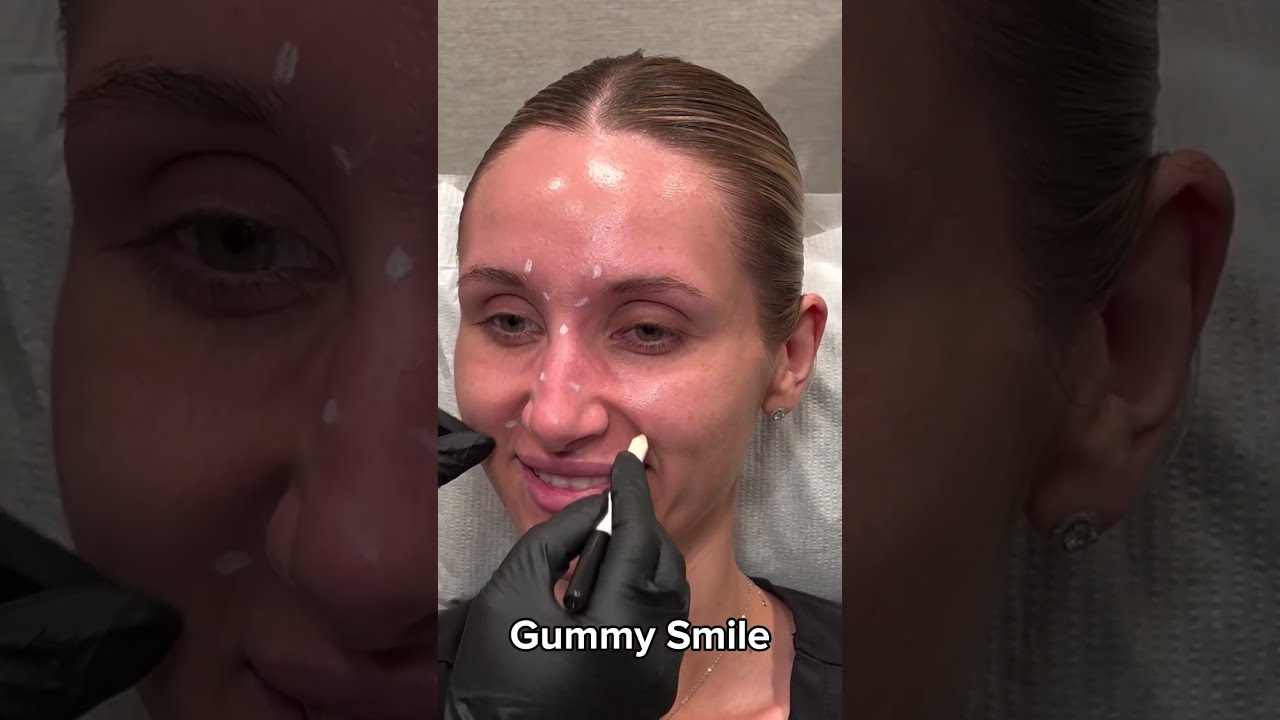
Botox treatment areas that consistently deliver include frown lines, forehead lines, and crow’s feet. You can also treat a gummy smile, chin dimpling, and neck bands. Off-label, some patients benefit from masseter injections to slim a bulky jawline or reduce clenching headaches. For patients with migraines, botox for migraines follows a different medical protocol and dose pattern than cosmetic botox therapy, so the visit feels more like a medical appointment than a beauty enhancement session.
For fillers, versatility is the draw. Cheeks, nasolabial folds, marionette lines, lips, tear troughs, temples, chin, and jawline can all be shaped with variants of hyaluronic acid. A light, flexible gel suits fine lines around the mouth. A firmer gel supports cheek lift or chin projection. Lips need a balance of softness, hydration, and structure, which is why technique and product selection matter more than the brand name on the box.
How Botox works at the tissue level
Botox how it works: botulinum toxin type A blocks the release of acetylcholine, the chemical messenger that tells muscle fibers to contract. Without that signal, targeted fibers relax. The effect starts subtly around day two or three, reaches peak effect between day 7 and 14, and gradually wears off as nerve endings regenerate. For most cosmetic areas, botox duration runs 3 to 4 months. Highly expressive patients, endurance athletes, and those with fast metabolism may experience shorter duration, closer to 2 to 3 months. With consistent botox maintenance over time, some patients can stretch to 4 to 6 months as muscles atrophy slightly.
Dosing is customized. A forehead with heavier brow muscles needs more units than a small, delicate forehead. Under-dosing can leave lines partly active, while over-dosing risks heavy brows. A careful mapping of botox injection sites, the strength of each muscle, and your animation style prevents odd outcomes. A good practitioner watches how you talk and laugh before reaching for a syringe.
What fillers do under the skin
Hyaluronic acid fillers attract water and create a soft scaffolding that lifts skin. Different gels vary in cohesivity, elasticity, and thickness. Refining smoker’s lines around the lips requires a thin, precise filler with high spreadability. Building a cheek apex uses a denser gel that holds shape against gravity. Proper placement matters. A millimeter too superficial produces bumps, a millimeter too deep can blunt the effect. In the right plane, filler looks like you, just better rested.
Longevity depends on the product and area. Lips generally last 6 to 9 months because we move them constantly. Cheek and chin fillers often last 12 to 18 months, sometimes longer. The body gradually breaks down hyaluronic acid with enzymes, which is why results fade softly rather than overnight. If needed, hyaluronic acid fillers can be reversed with hyaluronidase, an enzyme that dissolves the gel. That safety valve is one reason I favor HA fillers over permanent products.
Where patients get confused
People often say botox face as shorthand for that overly smooth look that flattens expression. That happens when dosing ignores your baseline movement or when every muscle is treated the same way. Good botox treatment respects the arcs of a real face. Most patients want a botox natural look. That means allowing some brow lift, some smile crinkle, and focusing on overactive lines rather than silencing everything.
Fillers get a reputation for duck lips and pillow cheeks. Overfilling causes those issues, not the fillers themselves. A skilled injector reads the face in thirds. If you only add to lips without balancing the philtrum, chin, or dental support, proportions skew. I show patients botox before and after pictures and filler results that match their anatomy, so they can see why one syringe on Instagram can look wildly different on two faces.
Cost, pricing, and value
Let’s talk numbers, since botox cost and filler pricing drive many decisions. Pricing varies by city, injector expertise, and clinic overhead. Botox injections are commonly priced per unit. In many US markets, you will see $11 to $20 per unit for a licensed provider. A typical cosmetic treatment spans 20 to 60 units depending on areas: the glabella (between the brows) averages 15 to 25 units, forehead 6 to 20 units, crow’s feet 6 to 24 units total. That puts botox procedure cost in the $250 to $900 range for most sessions. Beware of botox deals that seem too good to be true. Heavily discounted botox specials often mean watered-down product, rushed technique, or minimal dosing that fades fast.
Fillers are usually priced per syringe, with hyaluronic acid syringes ranging from $500 to $1,000 or more. Cheek restoration might require one to three syringes. Lips commonly take half to one syringe for a first treatment. Jawline definition can require two to four syringes for a noticeable change. The upfront number sounds higher than botox, but fillers often last longer, so on a yearly basis they can be similar value.
Insurance does not cover cosmetic botox or filler. Botox insurance coverage applies only for medical indications like chronic migraines or certain muscle disorders, following strict criteria. If you see “botox near me” ads claiming covered cosmetic injections, read the fine print.
What a typical appointment looks like
A thoughtful botox appointment starts with a consultation. Your practitioner will ask about medical history, medications, previous botox sessions, and how you feel about your lines. They will watch your expression and mark injection points. The botox procedure itself takes 10 to 20 minutes. Most people describe it as tiny pinches. Bruising risk is low, but not zero, especially around the eyes. Makeup can be applied after a few hours, but heavy workouts should wait until the next day. As for botox aftercare, avoid rubbing the treated area for 4 to 6 hours and skip saunas or hot yoga that day. Expect botox results to settle over 1 to 2 weeks. A brief follow-up at two weeks can fine-tune dosing if needed.
For filler, plan more time. We map the face in relation to light, not just lines. Photos help document before after changes and guide symmetry. A numbing cream or dental block may be used, depending on area. Many hyaluronic acid fillers include lidocaine, which softens discomfort as we go. You might feel pressure or a stinging stretch. Swelling is common for 24 to 72 hours, especially for lips. Bruising can last a week. I advise gentle icing off and on for the first day and keeping your head elevated the first night. Filler results are visible immediately, though final refinement shows after swelling settles over one to two weeks.
Safety, risks, and how to evaluate them
Every injection carries risk. With botox injections, the most common side effects are mild: a small bruise, a short headache, temporary eyelid heaviness if product migrates. The latter is rare when technique is sound and you follow instructions not to rub the area. Allergic reactions are extremely rare. Botulinum toxin has decades of safety data when used within recommended dosages by a certified, licensed provider.
Filler complications are more diverse. Bruising and swelling are expected. Tyndall effect, a bluish hue, can occur if filler sits too superficially under thin skin, often under eyes. Bumps can be massaged or, if persistent, dissolved. The serious risk is vascular compromise when filler blocks a blood vessel. That risk underscores why training and anatomy knowledge matter. Clinics must keep hyaluronidase on hand and know how to use it. Ask directly about complication protocols. If a clinic looks blank when you ask, walk out.
I am cautious with under eye filler. It can be transformative in the right patient, but if skin is very crepey or the tear trough is due to fat pad movement rather than volume loss, results can look puffy. In those cases, a conservative approach or even surgical referral may be better than chasing perfection with syringes.
Who is a good candidate
Healthy adults who understand the limits of non surgical treatments generally do well. For botox face rejuvenation, ideal candidates have prominent dynamic lines they want to soften, not erase. You should be comfortable with temporary results and willing to maintain with regular botox sessions. For fillers, good candidates have volume deficits or deep folds that shadow the face, and they want to look rested rather than different.
Certain conditions require caution. Pregnancy and breastfeeding are a no-go for both treatments, due to lack of safety data. Active skin infection at injection sites delays treatment. Neuromuscular disorders and some medications that affect neuromuscular transmission call for medical clearance before botox. For filler, heavy smoking increases vascular risk, so I encourage patients to reduce or stop before treatment. If you are prone to cold sores and plan lip filler, pre-treatment antiviral medication reduces outbreak risk.
Setting realistic expectations
I show patients botox results timelines: day 1 nothing, day 3 a hint of softening, day 7 to 10 peak smoothing, day 60 still great, day 90 a gentle fade, day 120 movement returns. If you have an event, schedule botox appointments at least two weeks prior to land at peak while keeping room to tweak. For filler, I advise doing lips three weeks ahead of events, cheeks two weeks ahead, and jawline two weeks ahead. Photos help you see subtle shifts that a mirror misses day to day.
Patients sometimes expect botox to fix deep etched lines at rest. It can soften them, but if a crease has lived in your skin for a decade, filling or skin resurfacing may be needed to erase it. Similarly, fillers cannot lift lax skin the way surgery can. They can camouflage jowls by building the jawline and midface, but only up to a point. When patients ask about a botox face lift, I explain that neuromodulators lift by relaxing muscles that pull downward, like the depressor anguli oris at the mouth corners. That creates a subtle uptick, not a surgical lift.
Timing, frequency, and maintenance
Botox frequency varies. Many patients plan botox renewal every three to four months for steady smoothing. A small subset can maintain twice yearly after a year of consistent treatment. I prefer to reassess movement rather than auto-schedule. If animation is still quiet at three months and you are happy, we wait.
For fillers, I build a botox and filler maintenance schedule that staggers treatments. Volume work first to set structure, then botox to soften lines over that structure. Lips often need a touch-up at 6 to 9 months. Cheeks and chin we revisit at 12 to 18 months. Tear troughs can last even longer if anatomy supports it. Skin quality treatments like microneedling or light peels layer well with both modalities once healing is complete.
Preparation and aftercare that actually help
You do not need elaborate rituals. Skip blood thinners like aspirin or high-dose fish oil for a week if your doctor agrees, and avoid alcohol the night before to reduce bruising. Arrive without heavy makeup. Eat something light to avoid feeling faint. Tell your practitioner if you had recent vaccines, dental work, or illness, as timing sometimes matters.
After botox treatment, do gentle facial expressions to move the product in the targeted muscles, but no heavy pressure. After filler, no strenuous exercise for 24 hours, no saunas for 48 hours, and no facials or dental work for two weeks if possible. Use clean pillowcases and keep hands off the area. If you notice severe pain, blanching skin, or vision changes after filler, that is an emergency. Contact your injector immediately and go to urgent care if you cannot reach them. Time matters for managing vascular events.
Choosing a provider: what to look for
I hear “botox injections near me” and “best botox clinics” often. Geography matters, but skill matters more. Seek a botox licensed provider who performs these procedures routinely. Board-certified dermatologists, plastic surgeons, facial plastic surgeons, and experienced nurse injectors under physician oversight can all deliver excellent results. Ask about training, complication management, and how many injections they perform monthly. Look for unretouched botox before and after photos of patients with similar features to yours. Read botox treatment reviews with a grain of salt. Patient satisfaction hinges on communication as much as outcome.
Consultations should feel collaborative. You should never feel pushed into more units or syringes than you want. If a clinic leads with packages before understanding your goals, that is a red flag. I am comfortable saying no to requests that would look odd on a face, and you should be comfortable hearing no from your practitioner if an idea risks an unnatural result.
Myths and misunderstandings worth clearing
Botox makes wrinkles worse when it wears off. No, it does not. When activity returns, you go back to baseline movement. Some patients notice a brief phase of “I forgot I frown like that,” which feels stronger by contrast, not in reality.
Fillers stretch the skin permanently. Properly placed fillers do not stretch tissue in a lasting way. Your skin already adapts to small changes in volume every day from hydration. Overfilling repeatedly can push tissues, which is why restraint and spacing sessions matter.
Botox is only for women. A growing number of men appreciate a softer frown, less forehead crinkling, or relief from clenching. Dosing differs because male muscles are often stronger. Technique accounts for that.
At-home botox or filler is safe if you watch enough videos. Absolutely not. The risk of vascular injury, infection, or poor technique is too high. A botox professional uses sterile technique, knows anatomy, and can manage complications. There are no botox home remedies that replace medical-grade treatment.
When to consider alternatives
If you are early in the aging curve with faint fine lines, consistent sunscreen, retinoids, peptides, and well-formulated moisturizers can slow progression. For etched lines at rest, resurfacing with microneedling, fractionated lasers, or chemical peels can complement or sometimes replace filler. For strong dynamic lines that resist botox due to deep skin creasing, a combination approach works best: botox to reduce pull, resurfacing to remodel skin, and a touch of filler to lift a scar-like groove.
If your primary issue is skin laxity rather than volume or movement, energy-based tightening devices can help in the right candidate, though expectations must be realistic. For significant jowling or neck banding, a surgical consult is often more honest than trying to stack syringes endlessly.
Real patient snapshots
A 34-year-old consultant came in worried about a permanent scowl on Zoom. She had strong glabellar movement and early horizontal forehead lines, but no static creases at rest. We started with 22 units in the frown complex and 8 units across the forehead. At her two-week check, she looked less stern, kept a bit of brow lift, and felt more like herself on camera. She now visits every 4 months and has not needed filler yet.
A 49-year-old runner disliked deepening nasolabial folds and hollowing under her eyes. On exam, volume loss in the lateral cheeks was the driver. We placed two syringes of HA filler high along the cheekbones and a tiny touch in the medial cheek. The folds softened without injecting them directly. Under eye swelling risk was higher for her, so we postponed tear troughs and reassessed a month later. She never needed under eye filler because restoring cheek support fixed the shadowing. Botox for crow’s feet and a subtle chin dose completed her plan.
A 28-year-old patient requested lip filler but clenched her jaw visibly. We discussed masseter botox for headaches and jawline softening. Starting with 20 units per side eased her clenching and slightly narrowed her lower face. Six weeks later we added 0.7 mL of a soft lip filler for hydration and shape, not size. The combination looked balanced.
How to decide for yourself
There is a simple way to begin. Look in a mirror at rest, then make the expressions you use the most, and notice what changes. If lines appear only with movement, think botox. If shadows and folds persist at rest or your face looks deflated, think filler. Many patients benefit from both, delivered in a staged plan. If budget is tight, start where your eye goes first and where results will be most visible.
Below is a concise comparison to clarify the core differences.
- Botox targets muscle activity to reduce dynamic wrinkles. Results start in 3 to 7 days, last 3 to 4 months, and are priced per unit. Best for frown lines, forehead lines, crow’s feet, chin dimpling, neck bands, masseter clenching. Fillers restore or add volume to soften folds and reshape contours. Results are immediate, last 6 to 18 months, and are priced per syringe. Best for cheeks, nasolabial folds, marionette lines, lips, jawline, chin, tear troughs.
Practical questions to ask at your consultation
Bring your goals and your questions. A short, focused checklist helps you leave confident.
- Based on my face at rest and in motion, which areas would you prioritize, and why? What product and dosage do you recommend for each area, and what is the expected duration? What are the most likely side effects for me, and how would we manage them? If I dislike any aspect of the result, how do we adjust or reverse it? What will my total cost be today and over a year if I follow the plan?
Final thought
The best treatment is the one that aligns with your anatomy, your tolerance for maintenance, and your taste. A measured botox treatment can relax habitual frowning that does not reflect how you feel. A carefully placed filler can erase a decade of fatigue from the midface with a few well-placed threads of gel. None of this should erase your character. The aim is to look like you on your best day, more often. When you work with a thoughtful practitioner, that is entirely achievable.