The first time I handed a patient a mirror 10 days after Botox, she blinked, searched her forehead, and said, “I don’t look frozen. I just look rested.” That look - a softer 11 between the brows, quieter crow’s feet when smiling, and smoother skin under downlighting - is the north star for a well-planned first appointment. If you are considering Botox wrinkle therapy injections for the first time, the visit moves quickly, but it is not a mystery. What you do before, during, and after the appointment determines whether you get subtle refinement or a result that feels off.
What Botox Can and Cannot Do on Day One
Botox, a purified botulinum toxin type A, relaxes overactive muscles by blocking acetylcholine at the neuromuscular junction. That temporary pause lets skin crease less with expression, which is why it is effective for upper-face lines: the vertical frown lines (glabellar complex), horizontal forehead lines (frontalis), and lateral eye wrinkles (crow’s feet). When balanced correctly, Botox for wrinkle reduction therapy softens expression without flattening it. Think Botox for crow’s feet removal that still lets your eyes smile, or Botox wrinkle injections for forehead lines that leave some lift.
Two limits matter on a first visit. First, Botox for deep skin wrinkle treatment will not fill creases that are etched in at rest. Those etched lines improve with consistent cycles over time as the skin gets a break, and sometimes with adjunct treatments like microneedling, lasers, or filler. Second, Botox cannot lift sagging tissues in a meaningful way. It can create the impression of lift with techniques like a brow lift effect by weakening depressor muscles or a slight upturn of the lip corners, but it is not a facelift. Accept these boundaries and you set yourself up for a natural result.
The Candidacy Check: Who Gets the Best First-Time Results
In the chair, I look at three things before I even reach for a marker. Skin quality, muscle pattern, and goals. Patients with strong dynamic expression - the kind that deepens lines when you raise, frown, or squint - see the most immediate benefits. If you have early fine lines and want Botox for smoothness in facial skin, small, well-placed doses often deliver a quieting effect that reads as “slept well.” Those with both dynamic and etched static lines still benefit, but they need a plan that might include Botox facial rejuvenation injections combined with skin treatments over several months.
Certain patterns call for extra caution. Heavy lids, a naturally low-set brow, or a tendency to recruit the forehead to keep the eyes open can make Botox for forehead line smoothing risky if the frontalis is overtreated. Similarly, patients with asymmetry, prior eyelid surgery, or underlying eyelid laxity require conservative dosing near the brow and lateral eye. If you have a history of neuromuscular disorders, pregnancy, or breastfeeding, you will be guided toward deferring treatment. A seasoned injector will talk through these scenarios without rushing.
Realistic Outcomes by Area
Forehead lines: Botox for wrinkle injections for forehead lines works best when paired with glabellar treatment. The frontalis lifts the brows, the glabellar complex pulls them down; treating both allows lower doses and better balance. Expect softer horizontal lines and preserved brow movement if dosed properly. Patients who request Botox for forehead skin improvement without glabellar balancing often end up with a heavy brow, which is avoidable.
Frown lines between the brows: This is where Botox facial wrinkle reduction shines. Those vertical 11s often improve within a week. Deeply etched 11s may need several cycles to fade at rest. For a first-timer, conservative glabellar dosing reduces scowl lines while maintaining the ability to focus or read without a pressured look.
Crow’s feet: Botox for crow’s feet wrinkles is a reliable first appointment win. Expect smoother lateral lines when smiling and under squinting light. Over-treating can widen the smile’s shape too much or affect cheek dynamics, so placement matters. Good technique keeps your laughter natural while reducing feathering.
Under eye wrinkles: Botox to treat under eye wrinkles can help in select cases, but the under eye is tricky. Thin skin, small muscles, and risk of a jelly roll or smile changes mean lower doses and careful placement. Some patients do better with skin-focused treatments first.
Brow shape: A micro-brow lift is possible by dosing the brow depressors more than the elevators. It is not a high-arch situation, rather a 2 to 3 millimeter lift at best. If you want dramatic lift, this is not the tool. If you want a cleaned-up brow edge with fewer hooded folds, modest Botox to lift face and smooth skin around the orbit can help.
Bunny lines and nose scrunch: Small doses can smooth these without changing your smile. This is typically secondary, not a first priority.
Chin dimpling and lip lines: Light dosing can soften an overactive chin or a gummy smile. Botox for lip and smile lines should be conservative on a first visit to avoid speech or straw-sipping issues.
Neck bands: Botox for neck wrinkle smoothing targets platysmal bands. It softens vertical cords, not horizontal creases. Expect subtle refinement rather than a neck lift.
These nuances explain why a single “unit count” does not tell the story. The goal is Botox for facial rejuvenation enhancement suited to your anatomy and expression.
What Happens Before the Needle
The most common cause of regret with a first appointment is not pain or bruising, it is misaligned expectations. Start with clear goals: are you seeking Botox for youthful appearance treatment to look fresher for a work event in three weeks, or a long-term plan for Botox anti-aging skin therapy that reduces deep expression line formation? We align the dosing and timing accordingly.
Medical history matters. Disclose prior cosmetic treatments, headaches or migraines, dry eye symptoms, eyelid surgeries, allergies, and current medications. Blood thinners, fish oil, high-dose vitamin E, ginkgo, and even ibuprofen can increase bruising potential. A week of adjustment is helpful if your prescribing clinician approves. Avoid alcohol the night before if possible, and plan the appointment when you can stay upright and skip intense workouts for the rest of the day.
Photos: Good clinics take standardized photos. These capture rest and expression - raise brows, frown, and smile hard - so you can compare at two weeks. Later, photos help fine-tune future doses for Botox skin smoothing therapy or adjustments to avoid a flat look.
Marking and mapping: With a brow pencil or white marker, we map muscle pull vectors, brow height, lines at rest and with expression. This mapping is your personalized treatment plan. It is how we keep Botox for smile lines and wrinkles removal natural instead of erasing the personality of your smile.
Dosing, Units, and Timing: What the Numbers Mean
Botox dosing is not one-size-fits-all. On a first visit, ranges are typical:
- Glabellar complex (between brows): often 12 to 20 units. Moderately strong scowlers may need more over time. Forehead (frontalis): often 6 to 14 units, depending on forehead height, muscle strength, and brow position. Conservative first dosing preserves lift. Crow’s feet: often 6 to 12 units per side, adjusted for eye shape and smile dynamics.
These numbers are reference points, not rules. The product used matters too. OnabotulinumtoxinA (Botox), abobotulinumtoxinA (Dysport), incobotulinumtoxinA (Xeomin), prabotulinumtoxinA (Jeuveau), and daxibotulinumtoxinA (Daxxify) behave somewhat differently in onset, spread, and duration. For a first appointment, many start with a standard onabotulinumtoxinA or similar, then calibrate in future visits.
Onset and peak: Expect to feel a change in 2 to 5 days, with full effect at 10 to 14 days. That means if you want Botox for crow’s feet and forehead wrinkles before a wedding, aim for a cushion of 3 weeks. Duration averages 3 to 4 months. Some areas, like crow’s feet, can soften for closer to 4 months, while lighter-dosed foreheads may wear off a bit sooner. Regular scheduling keeps the skin from re-creasing aggressively, making Botox facial rejuvenation for wrinkles more effective over time.
What the Injection Feels Like
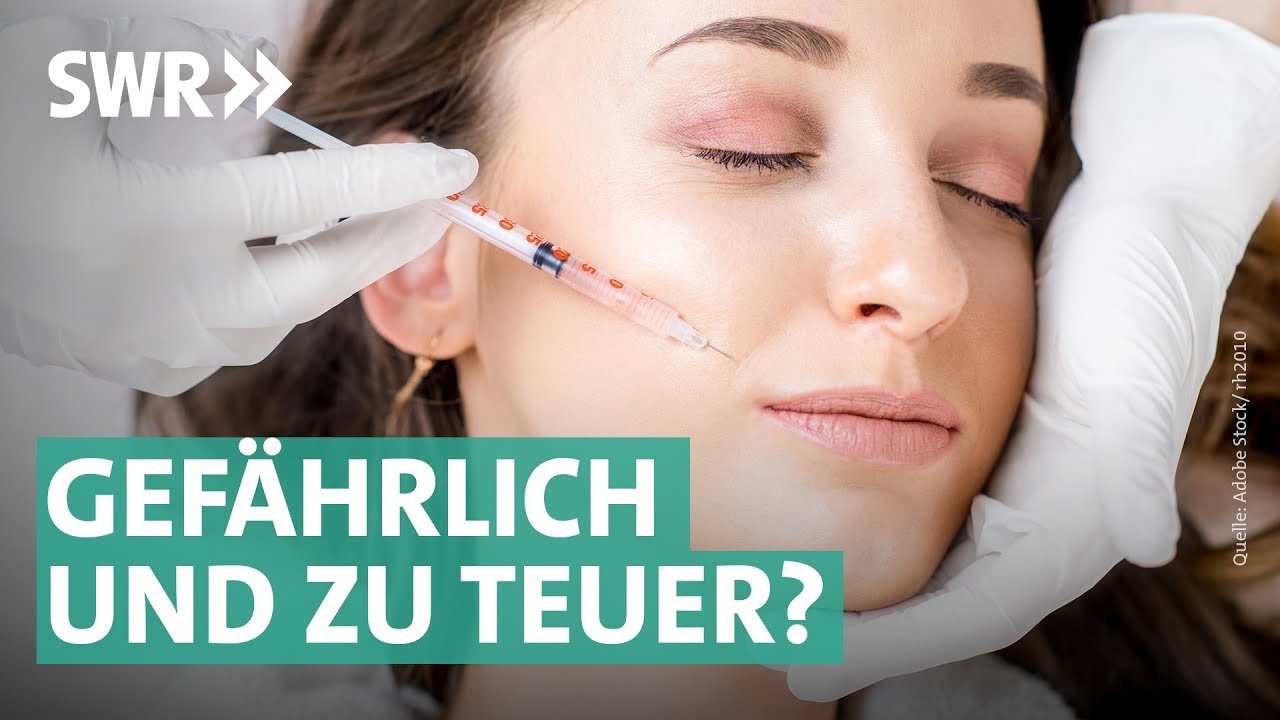
The plan complete, we clean the skin, sometimes apply a quick topical anesthetic or use an ice tap before each point. The needle is tiny. Most call the sensation a quick sting or pressure that fades in seconds. The whole process often takes 5 to 10 minutes. You may see small “bee-stings” or raised bumps where the fluid sits briefly; these flatten within 10 to 20 minutes.
People worry about pain around the eye. In reality, crow’s feet injections are tolerable. Forehead points near the hairline can feel sharper. A gentle hand and steady cadence help. If you hate needles, tell your injector. Simple tricks like breathing cues and a slow count keep it manageable.
Immediate Aftercare That Actually Matters
When the last injection is done, you are not finished. Aftercare helps Botox skin wrinkle therapy settle well.
- Stay upright for four hours. No naps or inverted poses. Gravity is not everything, but it reduces unwanted migration. Keep your hands off the area. No rubbing, massages, facials, or heavy makeup application for the rest of the day. Gentle patting is fine. Skip strenuous workouts, saunas, and hot yoga that day. Heat and increased circulation may contribute to swelling or subtle spread. Keep your normal face. You do not need to “exercise” the muscles. Normal expression is enough.
Bruising can happen, especially near the eyes or in thin skin. It looks worse than it is and fades within a week. Arnika or a concealer with green undertones covers it for work. If a bruise forms, a cold compress in the first day and then warm compresses after 24 hours can help it clear faster.
The Two-Week Visit: Why It Matters
Botox is a two-step process the first time: the injection day and the follow-up. At 10 to 14 days, you see the true result. Some areas may need a small touch-up, often a few units to refine symmetry or preserve a touch more movement. If your brow feels heavy, we can lighten it by addressing strong brow depressors. If crow’s feet lines linger, another point or two often finishes the job.
Keep a simple journal of what you notice each day for the first two weeks: when movement started to change, whether one brow softened faster, and how the smile feels. Those notes help fine-tune your next plan for Botox for facial rejuvenation for fine lines or Botox wrinkle reduction for upper face patterns.
Avoiding the “Frozen” Look
The frozen look comes from three things: too much product in the forehead relative to the glabella, erasing all lateral best botox in South Carolina eye movement, or placing points that block your unique expression pattern. If you have a wide forehead and naturally expressive brows, your dose must preserve some frontalis function. If you have shallow-set eyes, overly aggressive crow’s feet dosing can make the lower lid look heavy. A skilled injector will watch you talk, laugh, and frown before touching a syringe.
I often recommend a staggered start. If you are nervous, we begin conservatively, especially for Botox for smooth skin surface across the forehead. You live with the result for a cycle, then decide whether to dial up or shift the map. This approach trades maximal single-visit change for confidence and control.
Special Requests: Under Eyes, Smile Lines, and Neck
Under eyes: Patients ask for Botox for eye wrinkle smoothing or Botox for treating under eye puffiness. Botox does not reduce true eye bags, which are fat pads or fluid. It can soften crepey lines at the outer-lower junction in select candidates, but excessive dosing can cause a hollow, tired look or worsen a jelly roll. If puffiness is your main concern, we talk sleep, salt, allergies, skin care, and sometimes energy-based devices.
Smile lines and lip: Botox for laugh lines is a misnomer if you mean the nasolabial folds. Those folds are better treated with filler or collagen-stimulating treatments. Botox can soften vertical lip lines above the mouth by relaxing the orbicularis oris with “lip flip” style dosing. Start small to preserve speech, whistling, and straw use.
Neck: Botox for neck rejuvenation and wrinkle treatment helps vertical platysmal bands and contouring along the jawline by reducing downward pull. It does not erase horizontal neck lines. Expect subtle refinement that pairs well with skin tightening or collagen-boosting treatments if deeper change is desired.
Safety Profile and Side Effects You Should Know
Botox has a long safety record when used by trained professionals. Side effects on a first appointment are usually mild: tenderness, swelling, pinpoint bleeding, or a small bruise. Headaches happen in a minority and resolve in a day or two. Rarely, eyelid or brow ptosis (droop) occurs. It is usually the result of product diffusion or unbalanced dosing. If it happens, it is temporary, improving as the product wears down over weeks. Eye drops that stimulate Mueller’s muscle can help lift a droopy lid a millimeter or two during that period.
Dry eye can worsen if you rely on squinting to keep the eye moist. If you already have dry eye symptoms, mention them. We may reduce lateral dosing. For men or patients with stronger muscles, higher doses are common, but the strategy remains precise: controlled relaxation, not blanket paralysis.
Allergic reactions are extremely rare. Tell your provider if you have a history of sensitivities to any component, including albumin. If you are on antibiotics like aminoglycosides or have a neuromuscular disorder, your injector will proceed with caution or defer treatment.
Budgeting and Planning Your Year
Costs vary by geography, product, and expertise. Some charge per unit, others per area. For a conservative first full upper-face treatment, expect a range that covers glabellar lines, forehead lines, and crow’s feet. Your injector will tailor a plan with clear pricing. Cheaper is not always better; the artistry and judgment matter as much as the brand in the vial.
Think in cycles. Most patients return every 3 to 4 months. Over time, many stretch to 4 to 5 months for areas like the frown lines as muscles “learn” to relax. If you are aiming for Botox for wrinkle-free skin, consistency trumps a single heavy treatment. Skin often looks smoother between visits because you are not re-creasing as forcefully. Pairing with simple skincare - daily sunscreen, a retinoid at night, and a gentle moisturizer - multiplies results. If you are exploring Botox for skin smoothening and better elasticity appearance, add proven actives before chasing more units.
The Skin Texture Question
Botox does not build collagen. It prevents mechanical etching by reducing motion. Yet many patients report Botox for fine skin texture appears to help, especially across the forehead and around the eyes. What they are seeing is the effect of less repetitive folding, better light reflection off calmer skin, and the removal of micro-creases that made makeup settle oddly. If texture from sun damage is the main issue, combine cycles of Botox facial skin treatment with skin-directed therapy. Microneedling, chemical peels, and fractional lasers rebuild surface quality. Use Botox to quiet the muscles while the skin regenerates. This tandem approach smooths both the motion and the canvas.
Choosing the Right Injector
Credentials matter, but so does an eye for balance. Seek someone who asks specific questions, studies your expressions, and explains what each injection point is for. The consult should feel like a fitting, not a sales pitch. When a patient comes in requesting Botox for facial contouring to reduce wrinkles, I translate that into muscle groups and skin goals. Some faces want energy around the eyes to stay bright. Some need the center softened so the brow can lift naturally. If you leave your consult understanding your plan in plain language, you are in good hands.
Ask about:
- How they handle asymmetry and touch-ups. A good practice includes a two-week assessment and minor adjustments. Their approach to first-timers. Conservative, map-driven dosing is a positive sign. Photo documentation. This is for you as much as for them. Product options. If they use multiple brands, they can tailor onset and duration to your rhythm.
A First Appointment Walkthrough
You check in makeup-free or with minimal product. We review your history and photos. I ask you to make exaggerated expressions - raise big, frown hard, smile widely - then relax. I show you in a hand mirror how the brow peaks sit, where crow’s feet originate, and how your frown pulls. We agree on priorities: often glabella and crow’s feet first, with conservative forehead dosing to maintain lift.
After cleaning and, if needed, brief icing, I place small injections at marked points. You may feel three or four tiny stings between the brows, a series across the forehead spaced to fit your muscle belly, and a handful around the orbital rim. We avoid large blood vessels and stay superficial for crow’s feet, slightly deeper for glabellar points. We place extra care near the brow tail to prevent droop.
We give you a mirror. You will not see smoothing yet; what you might notice is mild pinkness and small bumps that fade as you drive home. You get aftercare instructions and a follow-up date in two weeks. If you are nervous, I recommend a check-in message on day five to note early changes. Patients who fear the “frozen” look are usually relieved by day seven when they still recognize their expressions, just softer.
Troubleshooting What You Might Feel
Day 1: Mild tightness or a sense of pressure can appear as the product begins to bind at the neuromuscular junction. This is normal and temporary.
Day 3 to 5: The frown softens first. Some feel a light band-like sensation across the forehead as motion reduces. If a headache occurs, gentle hydration, rest, and acetaminophen are typically safe. Avoid massaging the area.
Day 7: Crow’s feet smoothing becomes evident in photos before the mirror. Compare your smile under bathroom lights. Lines should feather less.
Day 10 to 14: This is your true read. If a brow feels heavier than you like, do not panic. Often a micro-dose in the depressor muscles can restore balance. If any asymmetry shows up when you raise your brows or smile, small adjustments fix it.
Weeks 6 to 10: Enjoy the plateau. This is the period when Botox wrinkle smoothing for facial rejuvenation looks its best: natural, expressive, and uncreased.
Weeks 10 to 14: Movement slowly returns. Some prefer a gentle ramp-up before the next session; others rebook at the first sign of stronger motion.
When a Conservative Start Is the Best Start
If you have a big presentation, a photo shoot, or a reunion in two weeks and you have never had Botox, resist the urge to chase a dramatic change. A light start avoids surprises. You can build in future cycles. Patients asking for Botox to rejuvenate facial appearance for a milestone often aim for two cycles spaced 3 to 4 months apart before the event. The first maps your response, the second fine-tunes for the perfect timing window.
The Long Game: Prevention and Progress
One reason Botox anti-aging wrinkle treatment is so widely used is prevention. By reducing repetitive folding, you slow the engraving of lines. Over a year or two of consistent treatment, I see foreheads that once looked creased at rest appear smoother even before the fresh dose kicks in. Glabellar lines that cut through makeup soften. Crow’s feet that once flared into a starburst reduce to gentle rays. That is Botox for rejuvenating skin and preventing wrinkles in practice, not hype.
Pair it with prudent habits: diligent sunscreen, sunglasses that reduce squinting, and a retinoid most nights if your skin tolerates it. Hydrate, sleep, and keep stress in check when possible. These do not replace Botox, but they make each cycle more effective.
A Word on “Off-Menu” Claims
You may read about Botox for eye bag reduction or Botox for facial contouring to reduce wrinkles creating a snatched jawline. Be cautious. Some claims muddle what Botox can do with what filler, threads, or energy devices do better. Botox is excellent for upper facial wrinkle smoothing, frown control, selective brow shaping, and softening a gummy smile or chin dimpling. It refines neck bands and can slightly slim the masseter for jaw contour when medically appropriate. It does not tighten loose skin or erase fat pads. Knowing this keeps you from overpromising to yourself.
If You Are Needle-Shy
We take it slow. I show you the needle, explain the steps, and let you control pacing. I use ice judiciously rather than numbing cream for most, since numbing can puff the skin and distort mapping. Breathing through each point helps. Patients who swore they would faint usually exhale and say, “Oh, that was quick.” The entire process often takes less time than parking the car.
Final Thoughts Before You Book
A successful first appointment is defined by fit: fit between your muscle pattern and the plan, fit between your goals and what Botox can deliver, and fit between you and the injector’s aesthetic. If your aim is Botox for smoothness in facial skin and a rested look, start with the upper face, map carefully, and favor conservative dosing. Keep the two-week follow-up. Plan your next cycle based on how you felt at weeks 8 to 12, not just the mirror at day 10.
Done right, Botox for facial wrinkle removal is not about erasing age. It is about controlling how your expressions imprint on your skin so your outside reads like you feel on a good day. The first appointment sets that trajectory. Build it on clarity, modesty in dosing, and a willingness to adjust, and you will recognize yourself, just a little more at ease when the camera turns your way.