The first time you watch a frown line relax in a handheld mirror is strangely satisfying, like easing a tight muscle you didn’t know was clenched. Then the natural next question arrives: how long will this softer, smoother look actually last?
Longevity is the heart of any conversation about non surgical wrinkle reduction. Whether you choose neurotoxin injections like botulinum toxin type A for dynamic lines, or filler for lost volume, or skin-focused micro dosing, durability depends on biology, technique, product choice, and how you live between visits. I have treated patients who hold results for five months without trying, and others who metabolize a wrinkle relaxer in ten weeks no matter what we do. There is a pattern, but there isn’t a single rule.
What “non-surgical wrinkle reduction” really means
Most people mean one of two things when they ask about lasting smoothness without surgery. The first category covers neurotoxin treatment, often called botulinum cosmetic, which temporarily reduces muscle activity that creases the skin. The second category involves collagen stimulators or fillers that address etched lines and deflation. Some patients benefit from a combination of cosmetic injectables managed in a maintenance plan rather than a one-off fix.
This article focuses on botulinum injection results, because they are the backbone of dynamic wrinkle treatment. These are the expression-driven lines you see when you frown, raise the brows, squint, or purse the lips. Forehead wrinkle treatment, glabellar line treatment between the brows, and crow’s feet correction at the outer eyes are the classic trio. Newer techniques extend into the lower face and neck when appropriate, such as a subtle botox brow lift, eyebrow lift injections, temple botox for tension lines, lower face botox for platysmal bands and chin dimpling, and a soft “botox mini lift” for a refreshed look.
The short answer on duration
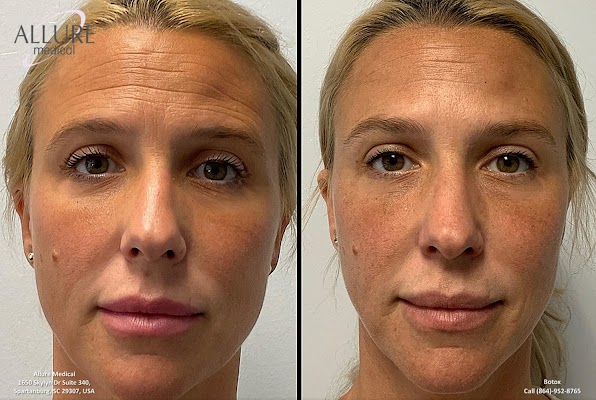
Expect three to four months of visible wrinkle softening after a standard neurotoxin injection session, with a range from two to six months depending on dose, muscle mass, activity, and individual metabolism. That window holds across the major brands of botulinum toxin type A used for a wrinkle relaxer. First time botox experience clients sometimes notice a slightly shorter first cycle as the body adapts. Repeat botox client visits often stabilize into a rhythm, and planned touch ups can stretch the smooth interval.
Duration varies by treatment area. The glabella often holds the longest, the forehead slightly less, and the crow’s feet somewhere in the middle. Heavier, stronger muscles like the masseter or trapezius, when treated for functional issues such as botox for jaw pain or botox for TMJ, can hold four to six months, sometimes longer. Lighter “prejuvenation” doses for prevention or baby botox produce subtler results with shorter duration by design.
How neurotoxins wear off
Botulinum treatment works by blocking the chemical signal that tells a muscle to contract. Over time, the nerve ending sprouts new connections, the blockade dissipates, and movement gradually returns. That return is not an on off switch. First, a whisper of motion appears. Then the full expression creeps back. You may enjoy soft botox results for a few weeks after the first hint of movement until lines fully reappear.
Patients often call at eight to ten weeks asking whether their anti wrinkle injections “stopped working.” Usually the product is doing exactly what it should. Movement is reemerging, but skin creasing is still less severe. If you want a consistently smooth look, plan a botox top up before deep motion returns. If you prefer a natural botox look with some expression, you might wait a bit longer. This is the art of a botox maintenance plan, balancing expression and longevity around your calendar.
The role of dose, dilution, and pattern
Dose is the most powerful lever we have to influence duration. Higher unit counts within safe parameters tend to last longer, especially in strong muscle groups. Dilution ratios matter far less than where each droplet lands and whether it reaches the intended layer. Technique and anatomic mapping beat brand tribalism. I have seen a low dose perfectly placed in a frown complex outlast a larger, scattershot approach.
Pattern matters because facial muscles overlap. For example, forehead wrinkle treatment must respect the frontalis muscle’s role in brow elevation. If you over relax the upper frontalis without addressing the glabellar pull, a patient may strain the outer fibers to compensate, burning through the effect faster and risking heaviness. Strategic balancing in a full face botox plan can yield more even, longer lasting results, and reduce the need for a botox quick fix.
Metabolism, muscle, and the “workout face”
Everyone metabolizes neurotoxin a bit differently. People with faster metabolisms, intense exercise routines, or highly expressive habits may notice shorter intervals. I call it the workout face phenomenon. A patient who teaches spin classes, laughs big, and squints into the sun on long runs will put more miles on their wrinkle reduction injections than a desk-based patient who barely animates. Neither is better, but they age differently and they hold neurotoxin differently.
Muscle size also matters. Men generally require higher doses due to greater muscle mass. A slim person with wiry, dense frontalis fibers can behave like a stronger muscle. In the jawline, masseter hypertrophy from grinding or clenching often needs a robust initial dose and a shorter first interval to train the muscle down, then maintenance sessions stretch out.
Brand comparisons without the hype
Across FDA cleared botulinum toxin type A products used for cosmetic wrinkle treatment, real world duration differences are small when dose equivalence and technique are consistent. Some patients swear one brand lasts Spartanburg botox longer for them. Others simply prefer how one feels as it sets in. There is no universal winner. If you had a disappointing duration with a previous neurotoxin treatment, the more important questions are dose adequacy, injection mapping, and whether the target muscle was the actual cause of the line.
Micro botox or skin botox approaches aim at the dermal plane for pore size, superficial sheen, and fine lines rather than deep movement. Expect a gentler effect and shorter window, often six to ten weeks. That is a feature, not a flaw, and can be perfect for a red carpet month or summer glow. Aqua botox or a botox facial often combines micro dosing with skin boosters to deliver the so called botox glow.
How long specific areas tend to last
Patients like concrete numbers, so here are realistic ranges I give during a botox evaluation consultation for cosmetic neurotoxin injections. These assume standard doses, average animation, and typical products.
- Glabellar line treatment: about 3.5 to 5 months. Deep frowners might sit closer to 3 to 4 months until we optimize a dose. Forehead wrinkle treatment: about 2.5 to 4 months. Balanced with the glabella to avoid heaviness, which can feel shorter but looks more natural. Crow’s feet correction: about 3 to 4 months. Sun squinters may be closer to 2.5 to 3 months. Eyebrow lift injections, botox brow lift, or temple botox: about 2 to 3 months. These are finesse moves that trade longevity for subtle shaping. Lower face botox, chin contouring botox, or jawline enhancement botox for pebbled chin or DAO pull: about 2 to 3.5 months. The mouth is busy all day, so turnover is faster. Neck rejuvenation botox for platysmal bands: about 3 to 4 months if the bands are the primary issue. Masseter treatment for botox for TMJ or botox for jaw pain: 4 to 6 months after the first two sessions, occasionally longer once hypertrophy reduces. Trapezius for muscle tension or shoulder slimming: about 4 to 6 months. Function and posture changes stretch the interval. Preventative botox or baby botox: 2 to 3 months, by design, with soft botox results and a natural botox look.
These are guidance windows, not guarantees. I have outliers in every category.
The case for a maintenance plan
A consistent botox maintenance plan teases out the longest, smoothest arc with the least product. Think of it as planned conservation rather than frequent stops for an express botox top up. After an initial botox injection session, I schedule a botox follow up appointment at two weeks to fine tune. Tiny top ups in a resistant area can make a big difference in lengthening duration.
After we have dialed in a pattern, many patients prefer a three or four month cadence. Others break their calendar into goals, like a botox mini session before photos, a slightly higher dose before wedding season, and a lighter botox refresh treatment at the first sign of movement. The key is intentional timing, not chasing the last wrinkle. When done well, people notice a refreshed look botox effect without being able to pinpoint why.
Combination strategies that influence how long results look “good”
Wrinkle movement is only one piece of how old or tired the face appears. If etched lines remain at rest, neurotoxin alone cannot erase them. Some patients need a botox with filler combo to support the skin while the muscle takes a break. A small amount of filler in a deep glabellar crease, forehead line, or crow’s foot can keep the track line from snapping back as motion returns, effectively extending the time your face reads as smooth even as the neurotoxin wears off.
Skin quality also matters. Retinoids, sunscreen, and light resurfacing improve the canvas so fine lines do not shout the moment movement returns. I have watched a patient maintain a youthful look for five months not because her neurotoxin lasted longer, but because we reduced background roughness and pigment so the eye stopped fixating on a few faint lines. That is nonsurgical facial rejuvenation at its most efficient.
Subtle goals, longer satisfaction
The people happiest with longevity aim for softer expressions and better balance, not a frozen forehead. They ask for facial smoothing injections that preserve character. They appreciate that dynamic motion contributes to warmth in the face. And they accept that a natural look often trades a few weeks of absolute stillness for months of believable ease.
There is a time and place for stronger suppression. Migraine patients using medical botox or therapeutic botox need reliable muscle relaxation on a schedule for symptom relief. People struggling with excessive sweating might prioritize steady control with botox for armpits, botox for palms, or botox for scalp sweating. In those cases, we treat on a clock, often every three to six months, because the stakes are functional rather than cosmetic.
Edge cases, from brow heaviness to droopy lids
If you are worried about heaviness, speak up. Botox for droopy eyelids searches are common after poorly balanced forehead work. True eyelid ptosis from neurotoxin diffusion into the levator is rare and temporary, usually a few weeks, but bothersome. Brow heaviness from over treating the frontalis is more common. The fix is better mapping and modest eyebrow lift injections that counterbalance the frown complex, not simply “more units.” Ironically, chasing more dose in the wrong place shortens satisfaction, even if the actual duration matches the vial’s promise.
Temple hollowing is another nuance. Over elevating the lateral brow without addressing temple volume can make the area look gaunt. A light filler touch or collagen support in the temple pairs well with temple botox, achieving a softer contour that reads youthful longer.
What a realistic year can look like
A typical year for a first timer might look like this. January: a conservative full face botox plan, targeting glabella, forehead, and crow’s feet with a hint of a brow lift. Two week visit for minor adjustments. Late April: movement returns, but lines are gentler. A botox touch up session focuses on the frown and outer brows. August: shift to lighter doses with a micro botox pass in the T zone for texture and a photo ready sheen. November: a slightly stronger session for holiday events, plus a tiny filler bead in a persistent glabellar track line. That patient sees smoothness most of the year but never reads as “just injected.”
For a bruxism patient, the cadence changes. Start with a robust lower face botox plan to relax the masseters, often paired with chin contouring botox to reduce pebbled skin. Expect chewing fatigue for a week, then jaw pain relief. Revisit at three months for a second round that locks in the line slimming. By the third visit at month six or seven, the interval stretches naturally and the face looks more tapered even between treatments.
Lifestyle that supports longer, better results
You do not need to rearrange your life to keep results, but there are habits that help. Consistent sunscreen becomes more important as expression lines fade, because UV damage can make the skin itself crinkle. Hydration and a sane skin routine prolong the “refreshed look botox” vibe between sessions. Avoid aggressive facials, sauna marathons, or intense massage on freshly treated areas for a day or two after injection. These steps do not change the pharmacology, but they protect the early setting period.
Sleep position plays a role for side sleepers with etched crow’s feet or nasojugal lines. A silk pillowcase or a face cradle pillow reduces mechanical folding that can fight against your crow’s feet correction. For athletes, spacing your hardest training day 24 hours after an injection is a small concession that avoids pushing fresh product around. None of this is magic. It is about removing friction so your wrinkle reduction injections can do their job.
Special use cases beyond wrinkles
There is a long list of creative, thoughtful neurotoxin uses, many of which influence perceived youth and symmetry rather than lines alone. A tiny dose can lift a drooping nasal tip for a botox for nose tip lift. A strategic dot under the alar base can create a subtle botox nose slimming effect. Micro dosing can polish hairline wrinkles at the temples or create a gentle transition across the midface. Some patients pursue botox for facial symmetry or botox for asymmetrical face concerns, correcting uneven smile pull or a crooked brow.
Outside the face, there are niche requests like botox for trapezius to soften a bulky neck line or shoulder slimming for a delicate neckline in formal wear, botox for calf reduction or leg slimming in select cases, and even botox for scalp to reduce sweating that ruins blowouts. These treatments have their own duration profiles, commonly three to six months, with the same pattern of longer holds after the second session once the muscle resets its baseline.
Common myths about duration
Two myths deserve retirement. The first says you must wait for complete movement to return before a top up. In reality, well timed sessions elongate the interval your skin stays line free at rest. The second says you will build immunity if you treat too often. True resistance to botulinum toxin type A is rare and usually linked to unusually high cumulative exposure to complexing proteins. Modern cosmetic doses, spaced sensibly, are unlikely to trigger this. If a patient shows https://www.linkedin.com/company/allure-medical-spa/ genuine resistance, options exist, but I see more under dosing than true antibody issues.
What to expect at each visit
A good botox evaluation consultation is part detective work, part planning. We map your animation, ask where your eye lands in the mirror, and set a goal: natural botox look, subtle botox results, or maximum smoothing. We discuss the trade off between lift and smoothness, especially across the forehead and brows. Then we choose a pattern that prevents heavy brows or a quizzical arch, and we document units and points so the plan evolves with you.
The injection itself is quick and methodical. Most sessions fit into a lunchtime botox or express botox window. Expect mild swelling like mosquito bites for 10 to 20 minutes and occasional pinpoint bruising. Movement starts to soften around day three, with full effect by day ten to fourteen. If anything feels unbalanced at two weeks, a minor adjustment can reset the harmony.
When longevity isn’t the only metric
Chasing the longest possible duration can backfire if it overwrites your features. A very still forehead for six months might flatten the brow position in a way that ages the eyes. I would rather give you smartly placed units that hold three months and preserve lift than squeeze out another few weeks at the cost of shape. This is where clinical judgment matters more than milliliters. The best nonsurgical facial rejuvenation plans value aesthetics, not just arithmetic.
Similarly, a patient who fears looking “done” often thrives on a lighter approach. Preventative botox or prejuvenation with fine, well spaced dosing can delay the need for larger treatments. Small sessions at strategic times create botox youth preservation without the telltale shine or stiffness. When you hear phrases like botox refresh treatment or botox mini session, that is the philosophy. It is not less skillful. It is more precise.
Cost over time and how to budget for duration
People rarely ask this out loud, but it is practical. A maintenance plan spreads cost across the year rather than loading it into sporadic splurges. If you treat glabella, forehead, and crow’s feet three times per year, you may spend the same or less than doing two oversized sessions that underperform or require corrections. Combining areas in one visit can reduce waste and improve balance. A small contingency for a two week tweak keeps the arc smooth.
For functional treatments like botox for migraines relief or botox for medical conditions such as excessive sweating, many patients align visits with insurance cycles or predictable symptom flare windows. The point is to make the calendar serve you, not the other way around.
A quick reference for timing and touch points
- Visible softening typically begins by day 3, peaks by day 10 to 14, and eases gradually after 10 to 12 weeks. Most cosmetic areas hold 3 to 4 months at standard doses, with glabella often the longest. Heavier muscles such as masseter and trapezius can hold 4 to 6 months after initial training. Lighter “baby botox” or micro dosing holds 6 to 10 weeks with a very natural finish. A two week follow up protects results and can modestly extend longevity by perfecting balance.
Final thoughts from the treatment chair
The most durable result is the one you still like at the end. Longevity is not just time on a clock. It is how long your face looks like you, only better. When patients leave with a plan that fits their features, their habits, and their calendar, the interval stretches naturally. The mirror is kinder for longer. And each botox injection session builds on the last, not as a reset, but as a refinement.
If you are weighing your first step, start with a conservative, well mapped plan for the most expressive areas. Document how it wears, schedule a thoughtful botox follow up appointment, and tweak the map. If your goal is aging prevention, ask about botox to delay wrinkles with prejuvenation dosing. If you need a bolder change, consider a botox with filler combo for etched lines and structural support. There is room to move in any direction after you see how your face responds.
The answer to “how long do results last” lives in that response. Your anatomy writes the rules. A skilled injector reads them, and together you decide how smooth, how natural, and how long you want to keep it.